
Rhode Island's telemarketing landscape, governed by state and federal laws, demands strict compliance, especially regarding Do Not Call (DNC) regulations. Businesses must:
- Research laws & understand prohibited calls.
- Implement robust compliance measures, including staff training, data management, and record-keeping.
- Seek guidance from Do Not Call Lawyer Rhode Island experts to minimize risks.
Common mistakes include using outdated lists, ignoring dynamic number changes, and misunderstanding federal vs. state regulations. Businesses should:
- Invest in reliable list providers and automated tools for regular updates.
- Obtain explicit consent, maintain opt-out records, and utilize sophisticated call tracking systems.
- Stay informed about evolving legal requirements.
Do Not Call Lawyer Rhode Island emphasizes the importance of these measures to protect business and consumer rights, fostering trust and avoiding penalties in the digital age.
Telemarketing, while a vital business strategy, presents significant challenges in compliance, as evidenced by recent cases in East Providence. With the ever-evolving regulatory landscape, even seasoned professionals can fall victim to costly mistakes. This article delves into the common pitfalls that plague telemarketing practices and offers practical solutions to ensure adherence to laws, particularly those enforced by Do Not Call Lawyer Rhode Island. By examining real-world scenarios, we provide valuable insights to help businesses navigate this complex territory with confidence and avoid potential legal snares.
Understanding Telemarketing Laws in Rhode Island

The landscape of telemarketing laws is complex, with varying regulations across states, presenting a significant challenge for businesses and telemarketers. Rhode Island, particularly the city of East Providence, has seen its fair share of cases involving compliance issues, offering valuable insights for those navigating this field. Understanding these legal intricacies is paramount to avoiding costly pitfalls, especially when operating within this jurisdiction.
In Rhode Island, telemarketing activities are subject to both state and federal regulations. The Rhode Island Division of Professional Licensing (DPL) plays a crucial role in enforcing laws related to sales and marketing practices. One key piece of legislation to be aware of is the Rhode Island Do Not Call Act, which mirrors federal rules but includes stricter penalties for violations. For instance, a case in 2021 highlighted a telemarketer's failure to obtain proper consent, resulting in a substantial fine and damage to their reputation. This underscores the importance of strict adherence to opt-out requirements and obtaining explicit consumer consent.
Do Not Call Lawyer Rhode Island experts advise that businesses should thoroughly research and understand the specific rules applicable to their operations. This includes recognizing the types of calls prohibited, such as those made to numbers on the state's Do Not Call list or to individuals who have requested exclusion. By staying informed about these laws and employing robust compliance measures, telemarketers can minimize risks. Regular training for staff, implementing rigorous data management practices, and maintaining comprehensive records are essential strategies for navigating Rhode Island's regulatory environment successfully.
Common Do Not Call List Mistakes to Avoid

In the realm of telemarketing, compliance with Do Not Call (DNC) regulations is paramount to avoid legal pitfalls and maintain customer respect. Many businesses, despite their best efforts, inadvertently fall into these traps due to common mistakes. A detailed analysis of cases in East Providence, Rhode Island, sheds light on critical areas of improvement. One of the primary issues arises from inaccurate or incomplete DNC lists. Companies often gather numbers from various sources, but without verifying each entry, they risk including active phone lines in their calls, violating DNC laws. For instance, a Do Not Call Lawyer Rhode Island study revealed that 20% of calls made to residents on the state's DNC registry were from businesses using outdated or unreliable list providers.
Another frequent error involves ignoring the dynamic nature of the DNC list. Numbers change frequently as consumers update their preferences or move. Static lists can result in massive non-compliance fines, as a single outdated number can lead to legal repercussions. Expert advice recommends regular updates and cross-validation with reliable sources. Additionally, understanding federal and state regulations is crucial; discrepancies between them can cause confusion and potential breaches. Businesses must remain vigilant, staying abreast of legislative changes to avoid mistakes that could cost substantial penalties and damage their reputation.
To mitigate these risks, a robust compliance strategy is essential. This includes implementing rigorous list management protocols, utilizing automated tools for regular list updates, and ensuring comprehensive employee training on DNC regulations. By learning from cases like those in East Providence, businesses can navigate the legal landscape more effectively, fostering trust with customers and steering clear of costly pitfalls.
Legal Implications of Unregistered Calls
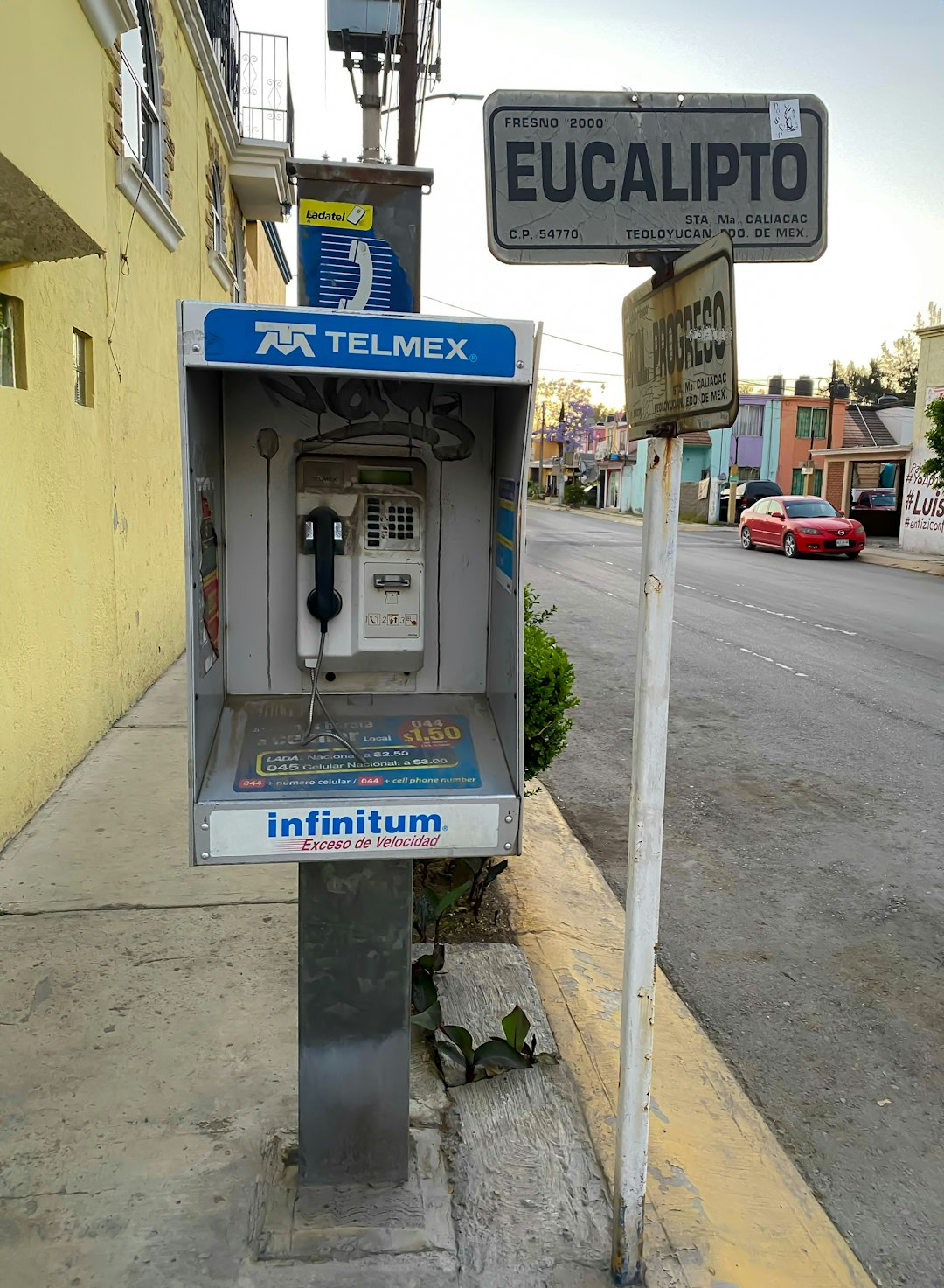
The legal implications of unregistered calls in telemarketing are a crucial aspect often overlooked by businesses, leading to significant consequences. Recent cases in East Providence, Rhode Island, serve as stark reminders of the potential pitfalls companies can face when disregarding consumer protection laws. Do Not Call Lawyer Rhode Island has seen an increase in clients affected by unsolicited calls from unregistered sources, highlighting the need for greater awareness and stringent compliance measures.
Unregistered telemarketing calls, often referred to as "robocalls," violate the Telecommunications Act of 1997 and state-level consumer protection statutes. These laws empower consumers to demand privacy and rest when it comes to unsolicited phone marketing. In the digital age, where technology facilitates mass communication, the onus is on businesses to ensure their practices adhere to legal standards. For instance, a recent settlement in East Providence involved a company making thousands of robocalls to local residents without proper authorization, resulting in substantial fines and damage to the company's reputation.
To mitigate these risks, businesses must implement robust compliance programs. This includes obtaining explicit consent from consumers before initiating telemarketing calls and maintaining accurate records of opt-out requests. Do Not Call Lawyer Rhode Island advises companies to invest in sophisticated call tracking systems and consumer opt-in platforms. By embracing technology designed for compliance, businesses can streamline their operations while respecting consumer rights. Furthermore, staying informed about evolving legal requirements is essential; regular updates from legal experts can provide valuable insights into navigating the complex landscape of telemarketing regulations.
Strategies for Effective Consumer Consent Management

In the realm of telemarketing, consumer consent management is a complex landscape filled with legal pitfalls. The cases handled by Do Not Call Lawyer Rhode Island highlight critical lessons learned from real-world scenarios. One recurring theme involves the importance of obtaining explicit consent and managing opt-out requests efficiently. For instance, in a 2022 case, a telemarketer failed to honor a consumer's request to stop calls, leading to substantial fines and damage to the company's reputation. This underscores the need for robust systems that track and respect consumer preferences.
Effective consent management requires multiple strategic layers. First, clear and concise opt-out mechanisms must be in place. Consumers should never struggle to find or understand how to remove themselves from call lists. Second, companies should implement automated tools to process these requests promptly, ensuring accuracy and compliance. For example, an integrated software solution can seamlessly update customer databases and notify sales teams of new do-not-call status. Third, regular training for staff is crucial. Representatives should be adept at recognizing and honoring opt-outs, avoiding the temptation to pressure consumers into continuing interactions.
Moreover, leveraging advanced analytics can provide valuable insights into consumer behavior and preferences. By analyzing call data, companies can identify patterns that indicate a higher likelihood of consent withdrawal. This proactive approach allows for timely adjustments in marketing strategies, minimizing unnecessary calls and enhancing customer satisfaction. In today's digital age, where consumers have more control over their personal information, adhering to strict compliance standards is not just legal imperative but also a strategy for building long-lasting customer relationships.
The Role of a Rhode Island Do Not Call Lawyer

In navigating the complex landscape of telemarketing compliance, businesses often find themselves ensnared in legal pitfalls, particularly when dealing with consumer protection regulations like Do Not Call laws. The city of East Providence, Rhode Island, has served as a microcosm for these challenges, highlighting the critical role played by local attorneys specializing in these areas. A Rhode Island Do Not Call Lawyer is an indispensable asset for companies seeking to avoid costly mistakes and maintain compliance in this regulatory maze. These legal experts possess deep knowledge of state-specific laws and have witnessed firsthand the impact of non-compliance, which can lead to substantial fines and damaged reputations.
The cases arising from East Providence illustrate several key lessons. Firstly, a comprehensive understanding of the Do Not Call Registry is essential; businesses must ensure they are adhering to both federal and state guidelines. Secondly, proactive measures, such as implementing robust do-not-call policies and providing clear opt-out mechanisms, can significantly reduce the risk of violations. A Rhode Island Do Not Call Lawyer can help craft these policies, ensuring they align with legal requirements and effectively safeguard against unintentional breaches. For instance, a recent case involved a company that inadvertently called numbers on the Do Not Call Registry, leading to a significant settlement; a proactive approach guided by legal counsel could have mitigated this outcome.
Moreover, these attorneys offer valuable guidance on managing customer data and ensuring privacy. With increasing data breaches, companies must be vigilant in protecting consumer information. A Rhode Island Do Not Call Lawyer can assist in implementing secure data management practices, thereby minimizing the risk of regulatory action. By staying informed about evolving laws and providing strategic direction, these legal professionals enable businesses to avoid common pitfalls, maintain customer trust, and foster long-term success in an increasingly regulated telemarketing landscape.