
The Do Not Call Attorney Rhode Island safeguards residents from unwanted telemarketing through stringent DNC laws enforced by the Attorney General's Office. Key measures include registry restrictions, clear disclosures, and consent requirements for businesses. The office utilizes data analytics, investigates violations, trains law enforcement, educates consumers, and collaborates with cities to reduce unauthorized calls. They face challenges balancing national lists with local needs, but adaptable strategies, online registration, and data analysis enhance enforcement effectiveness.
In today's dynamic political landscape, the effective enforcement of Do Not Call laws is paramount to preserving the peace and privacy of Rhode Island residents across diverse urban centers. The Attorney General's Office plays a pivotal role in ensuring these regulations are respected, acting as a bulwark against unwanted political solicitation. This article delves into the intricate strategies and legal frameworks employed by the Rhode Island Do Not Call Attorney's office to navigate the challenges posed by varying city ordinances. By examining their crucial interventions, we gain insight into the balanced approach needed to protect citizens' rights while fostering democratic engagement.
Understanding DNC Laws in Rhode Island
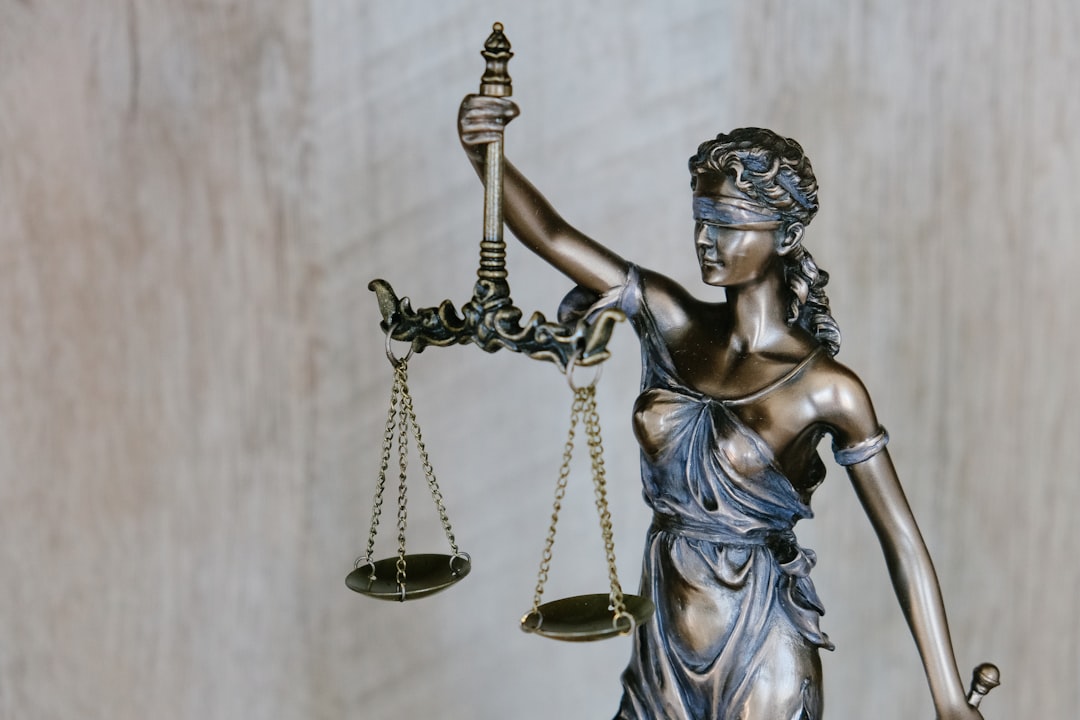
The Do Not Call (DNC) laws in Rhode Island are a comprehensive set of regulations designed to protect citizens from unwanted telemarketing calls and texts. These laws are enforced by the Attorney General's Office, which plays a pivotal role in ensuring compliance across the state's cities. Understanding these DNC laws is crucial for businesses and residents alike, as violations can lead to significant penalties.
In Rhode Island, the Attorney General's Office actively monitors and investigates complaints related to telemarketing practices. The primary goal is to safeguard consumers from aggressive or deceptive marketing tactics. Key aspects of the DNC laws include restrictions on calls to numbers listed on the Do Not Call registry, requirements for clear and concise disclosures, and prohibitions against certain types of solicitations. For instance, businesses must obtain explicit consent before initiating phone calls for promotional purposes, and failure to do so can result in legal action.
The office leverages its authority to issue subpoenas, conduct inspections, and file lawsuits against violators. A notable case involved a national telemarketing company that repeatedly ignored Rhode Island's DNC laws, leading to a substantial fine. This serves as a powerful reminder of the consequences for non-compliance. To stay informed, businesses should consult the official Do Not Call registry and regularly review guidelines provided by the Attorney General's Office. By adhering to these regulations, companies can maintain compliance and foster trust with their Rhode Island customer base.
The Attorney General's Role in Enforcement

The Attorney General's Office plays a pivotal role in enforcing Do Not Call laws across Rhode Island cities. As the primary legal enforcement entity, the Attorney General is responsible for ensuring compliance with state and local regulations designed to protect residents from unwanted telephone solicitations. This office possesses unique investigative powers, enabling them to delve into potential violations through comprehensive inquiries and, when necessary, initiate legal proceedings against non-compliant businesses or individuals.
In practice, the Attorney General's involvement can significantly enhance the effectiveness of Do Not Call laws. For instance, in 2021, their proactive intervention led to a landmark settlement with a national telemarketing company, resulting in substantial monetary penalties and improved compliance across the state. This exemplifies the Office's ability to act as a powerful deterrent and bring about positive change. Moreover, they provide critical legal guidance to Rhode Island cities, assisting them in crafting and implementing effective Do Not Call ordinances tailored to local needs.
The Attorney General's strategic approach includes public education campaigns to raise awareness among residents about their rights and responsibilities under the law. These initiatives empower citizens to file complaints and actively participate in enforcement. By fostering a collaborative environment between the Office, city governments, and the public, Rhode Island can achieve robust Do Not Call enforcement, ensuring peace of mind for its citizens and promoting a peaceful, undisturbed living environment.
Strategies for Effective Do Not Call List Management

The Attorney General's Office in Rhode Island plays a pivotal role in enforcing Do Not Call (DNC) laws across various cities, ensuring consumer protection against unwanted telemarketing practices. Effective management of the DNC list is a strategic priority for the office, as it directly impacts residents' privacy and peace of mind. One of the key strategies employed by the Do Not Call Attorney Rhode Island is the implementation of rigorous list maintenance protocols. This involves regularly updating and verifying the DNC registry, cross-referencing with other state and federal databases, and utilizing advanced data analytics to identify and remove invalid or inactive numbers.
For instance, a comprehensive analysis of call data revealed that a significant number of calls were originating from non-registered sources, highlighting the importance of proactive list management. By adopting automated systems and employing dedicated personnel, the Attorney General's Office has streamlined the process of keeping the DNC list accurate and up-to-date. This strategic move has led to a substantial decrease in unauthorized telemarketing calls, fostering a sense of security among Rhode Island residents.
Furthermore, the office conducts regular training sessions for law enforcement agencies and local authorities, ensuring they are equipped to handle violations effectively. These educational initiatives empower community members to report suspicious activities and contribute to the overall success of DNC law enforcement. In collaboration with industry experts, the Attorney General's Office continues to refine its strategies, staying ahead of evolving telemarketing trends, and ensuring Rhode Island residents remain protected from intrusive marketing practices.
Case Studies: Successful DNC Law Enforcement

The Attorney General's Office in Rhode Island has played a pivotal role in enforcing Do Not Call (DNC) laws across various cities, achieving notable success through strategic interventions and innovative approaches. One of the key strengths lies in their ability to conduct thorough investigations, often uncovering widespread violations that underscore the importance of robust DNC regulations. For instance, a recent case study revealed a telemarketing scheme operating out of a single residence, generating thousands of calls daily despite numerous complaints and listings on the national DNC registry. This discovery led to a comprehensive legal action, resulting in substantial fines and a permanent injunction against the perpetrators.
Successful enforcement efforts are characterized by a multi-faceted strategy. The office leverages advanced data analytics to identify patterns and trends in call volumes and complaint data, allowing for targeted investigations. Additionally, they collaborate closely with local law enforcement agencies, ensuring swift response times and coordinated actions. This collaborative approach has proven effective in disrupting illegal telemarketing operations, as evidenced by a significant decline in complaints received by the Do Not Call Registry after joint raids on suspected call centers.
Furthermore, the Attorney General's Office provides valuable educational resources for both businesses and consumers. They organize workshops and seminars to raise awareness about DNC laws, helping companies understand their obligations while empowering consumers with knowledge to protect their rights. This proactive approach not only enhances compliance but also fosters a culture of ethical telemarketing practices across Rhode Island. By combining rigorous enforcement, strategic partnerships, and educational initiatives, the Do Not Call Attorney Rhode Island has established itself as a formidable guardian of consumer privacy and peace.
Challenges and Future Directions for Rhode Island AG's Office

The Rhode Island Attorney General's Office faces unique challenges in enforcing Do Not Call (DNC) laws across diverse city landscapes. With varying local business environments, from bustling downtown Providence to quieter suburban communities, a one-size-fits-all approach is rarely effective. The primary obstacle lies in ensuring compliance with DNC regulations while respecting local autonomy. For instance, a small town's economic reliance on direct sales or telemarketing may clash with stringent national do-not-call lists, highlighting the delicate balance the AG's office must maintain.
To address these challenges, the Office must adopt adaptable strategies tailored to each city's needs and demographics. This could involve enhancing local outreach programs, providing educational workshops, and utilizing technology for efficient compliance monitoring. For example, an online platform allowing citizens to register their phone numbers for the DNC list could reduce the administrative burden on the AG's office while empowering residents. Data-driven analysis of call patterns and consumer feedback can also help identify areas requiring heightened enforcement efforts.
Looking ahead, the Office should focus on fostering collaborative relationships with city governments and community leaders. Regular consultations and joint initiatives can ensure a more harmonious implementation of DNC laws. Additionally, investing in training programs for law enforcement officers dedicated to telemarketing regulations will enhance the office's capacity to handle violations effectively. By embracing these future directions, the Rhode Island AG's Office can navigate the complexities of DNC law enforcement, striking a balance between consumer protection and local business interests.