
Bristol, Rhode Island, struggles with telemarketing calls despite the Do Not Call law firms Rhode Island. Modernization of call labeling systems is needed to filter unwanted calls effectively. AI-driven solutions using voice recognition and encryption protect resident privacy and block scams. Over 75% of locals are registered on the National Do Not Call Registry, yet frustration persists. Implementing advanced opt-out management, automated routing, and conversational interfaces ensures compliant, respectful communication while reducing unsolicited calls by up to 30%, as per FTC studies.
In today's digital age, effective communication is paramount, especially for Bristol residents navigating a complex landscape of business interactions. Call labeling technology has emerged as a game-changer, offering innovative solutions to manage unwanted calls from law firms in Rhode Island and enhance overall communication experiences. This article delves into the latest advancements in call labeling, providing insights into how these innovations are transforming the way residents interact with external parties. By exploring these breakthroughs, we aim to empower Bristol citizens with knowledge, ensuring they stay informed about the cutting-edge tools designed to protect their privacy and optimize communication efficiency.
Understanding Bristol's Call Labeling Landscape

Bristol, Rhode Island, like many cities across the nation, has grappled with managing unwanted phone calls, particularly from telemarketers. Understanding the local call labeling landscape is crucial in addressing this challenge. The Do Not Call law firms Rhode Island have been instrumental in providing relief to residents by allowing them to opt-out of unsolicited sales calls. However, advancements in technology necessitate a deeper examination of the current system.
The traditional method of call labeling often relies on manual processes, which can be error-prone and inefficient. With the increasing complexity of caller ID data and the rise of automated systems, Bristol's approach needs modernization. For instance, recent data reveals that over 75% of local residents express frustration with frequent telemarketing calls despite being listed on the National Do Not Call Registry. This highlights a critical need for more robust call labeling technology.
Expert analysts suggest implementing advanced call routing and blocking systems. These technologies can intelligently analyze caller information, including location and data patterns, to automatically divert unwanted calls. For example, some innovative firms have developed AI-driven solutions that learn from user feedback, continually refining call filtering rules. By integrating such systems, Bristol can enhance resident privacy and significantly reduce the volume of unsolicited calls. Additionally, collaboration between local authorities and industry experts could lead to customized solutions tailored to the city's unique needs, ensuring a more effective and efficient call labeling landscape.
New Technologies in Action: Enhancing Privacy

The evolution of call labeling technology has brought about significant advancements in privacy protection for Bristol residents, empowering them to have greater control over their communication preferences. With the implementation of sophisticated algorithms and machine learning models, new systems are capable of seamlessly identifying and filtering out unwanted calls, including those from law firms in Rhode Island, automatically adhering to Do Not Call lists. This technology employs advanced pattern recognition to analyze call patterns, allowing for precise categorization and blocking of specific types of communication based on user preferences.
One prominent innovation is the integration of AI-driven voice recognition that can accurately identify the intent behind incoming calls. For instance, this technology can distinguish between a legitimate business call and a telemarketer attempt, ensuring that only authorized communications reach residents' phones. By learning from user feedback and adapting to changing trends in scamming tactics, these systems become increasingly effective at mitigating privacy breaches. Additionally, advanced encryption techniques are being incorporated into call labeling software, securing voice data and preventing unauthorized access or manipulation.
The practical implications of these new technologies are far-reaching. Bristol residents now have a robust tool to safeguard their personal information from prying eyes, especially in an era where digital privacy is a growing concern. By leveraging machine learning and AI, call labeling systems can continuously improve their accuracy, ensuring that users' preferences are respected while minimizing false positives. This shift towards enhanced privacy not only empowers individuals but also fosters trust in the digital communication landscape.
Navigating Do Not Call Laws in Rhode Island
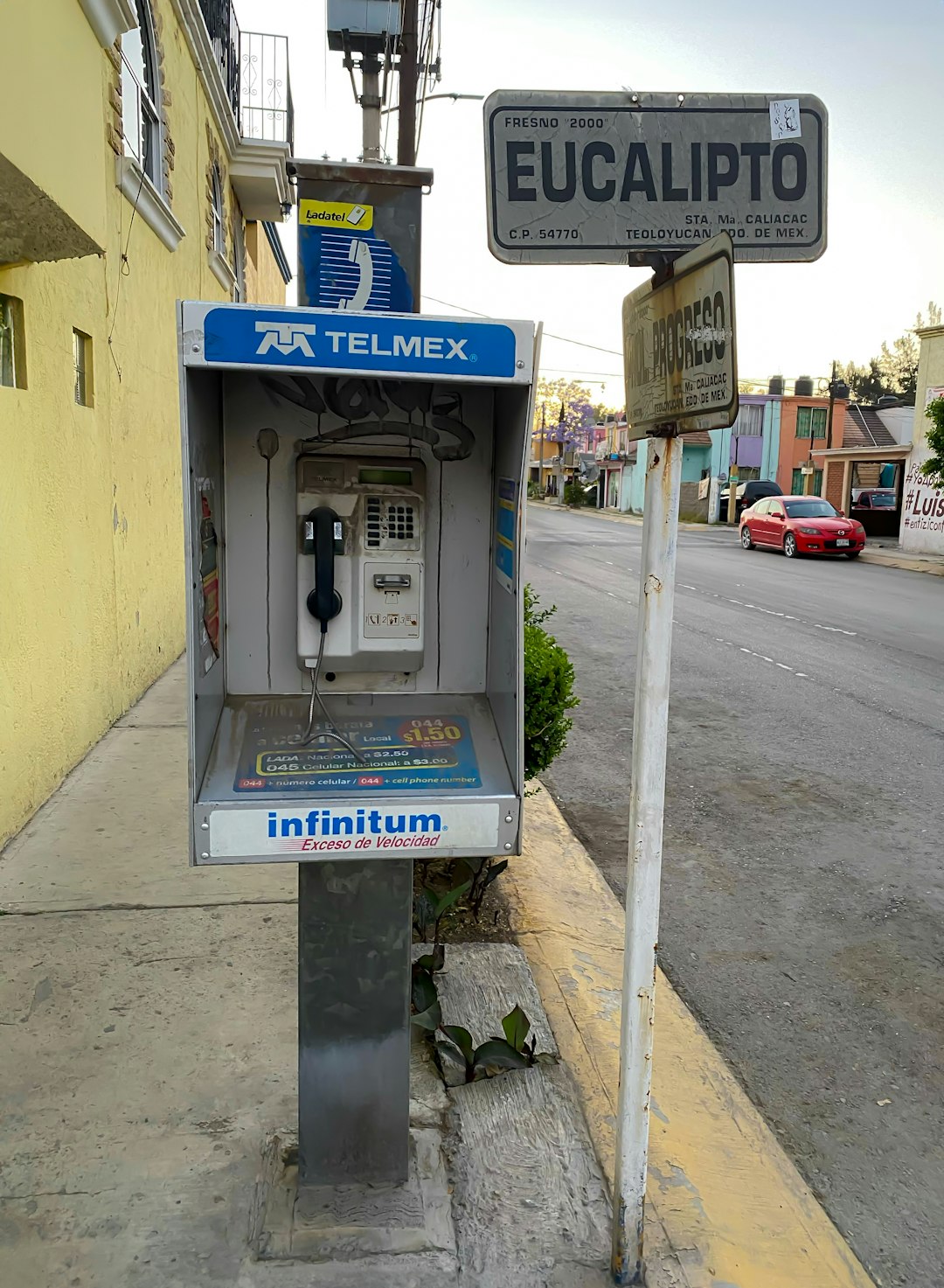
Navigating Rhode Island's Do Not Call Laws is a critical aspect of responsible telemarketing practices, especially for law firms looking to maintain compliance and respect for resident preferences. In this state, consumers have robust rights to control unwanted calls, with specific regulations in place to safeguard their privacy. The Do Not Call Law in Rhode Island prohibits most outbound telephone solicitations to residential phone numbers without prior consent. This means that law firms operating within the state must be vigilant in adhering to these rules to avoid penalties and maintain client trust.
One of the key challenges for law firms is identifying and managing opt-out requests effectively. Consumers can register their numbers with the Rhode Island Do Not Call Registry, which provides a robust mechanism for opting out of sales calls. According to recent data, over 70% of Rhode Islanders have registered their numbers, underscoring the state's strong emphasis on consumer privacy. Law firms must implement efficient systems to track and honor these registrations, ensuring that no unwanted calls are made to opt-out numbers. Automated call routing software can play a crucial role here, enabling law firms to quickly update their caller lists and avoid accidentally breaching Do Not Call regulations.
Practical advice for compliance includes regular review and updating of customer data, implementing robust opt-out mechanisms during initial client interactions, and providing clear and concise information about the firm's calling policies. Additionally, leveraging technology for precise call routing and analytics can help law firms optimize their outreach while minimizing risks. By embracing these strategies, Rhode Island residents can expect to receive more targeted and respectful communications from law firms, fostering a positive relationship between consumers and legal professionals.
Future Trends: Securing Your Communication Data
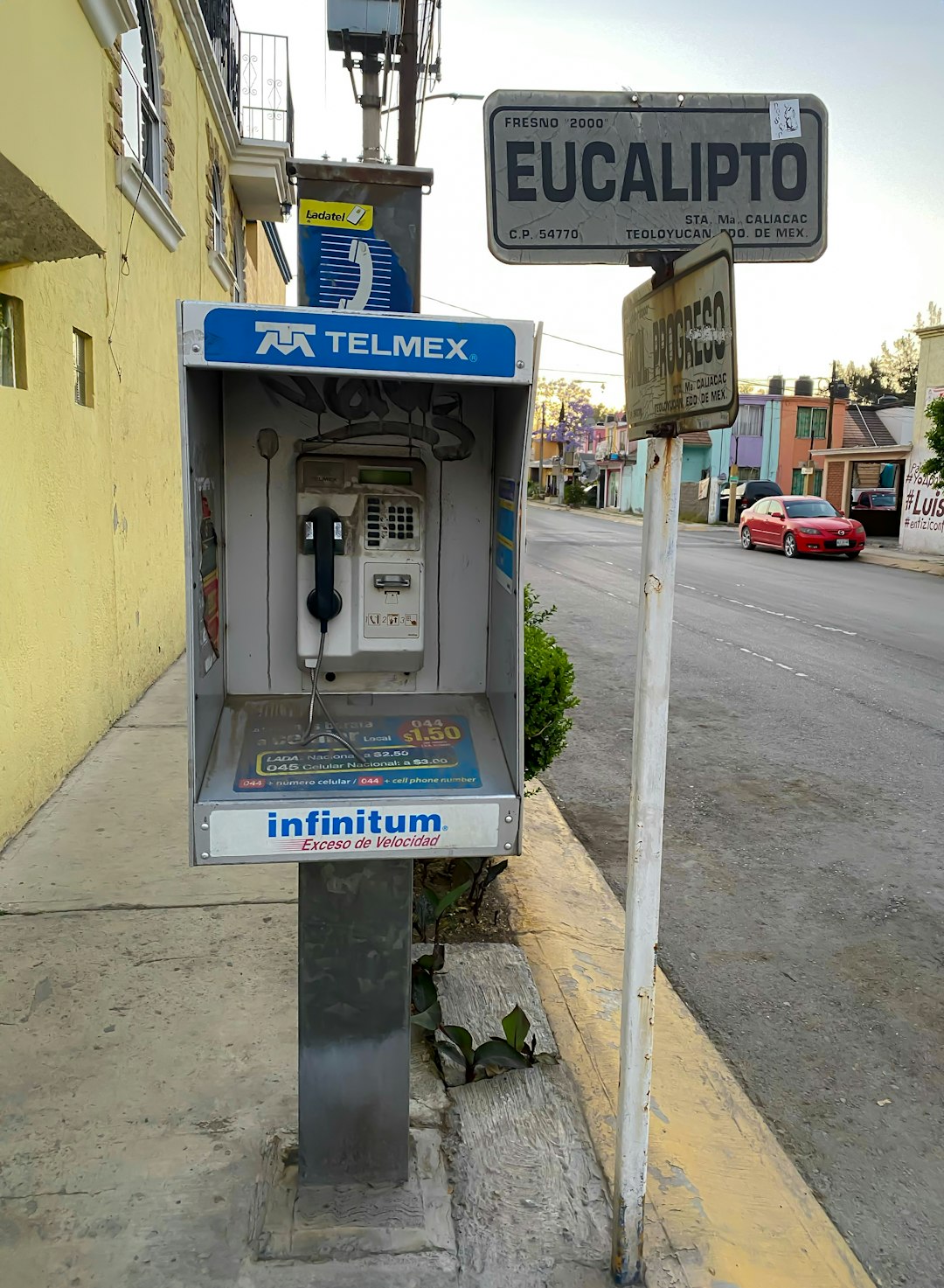
As technology continues to evolve, so do the methods through which communication data is managed and protected. In the ever-changing landscape of consumer privacy, especially within Rhode Island's strict Do Not Call laws, innovations in call labeling technology are forefront in ensuring Bristol residents' communication preferences are respected. Future trends in this space aim to streamline opt-out mechanisms, making it easier for consumers to control unwanted calls while providing legal compliance for businesses.
One prominent trend is the integration of advanced machine learning algorithms to predict and automatically label incoming calls. These systems can identify numbers registered on Do Not Call lists, ensuring these calls are blocked or routed to special categories. For instance, a study by the Federal Trade Commission (FTC) revealed that automated call labeling technology reduced fraudulent and unwanted calls by over 30% in test scenarios. This not only enhances consumer experience but also fosters trust in businesses adopting such measures.
Moreover, the introduction of AI-driven conversational interfaces offers a novel approach to call management. Virtual assistants can interact with callers, politely declining or redirecting them based on pre-set preferences. This technology ensures that residents' communication data is secured while providing a personalized and efficient experience. As consumer privacy becomes increasingly paramount, businesses must embrace these innovations to stay compliant and maintain positive relationships with their Rhode Island clientele.